

Table of Contents
- Carpets and Indoor Air Quality
- Common Pollutants Found in Carpets
- Health Risks Associated with Dirty Carpets
- Benefits of Regular Carpet Cleaning
- Effective Carpet Cleaning Methods
- Choosing the Right Carpet Material
- Additional Tips for Maintaining Clean Carpets
- Conclusion
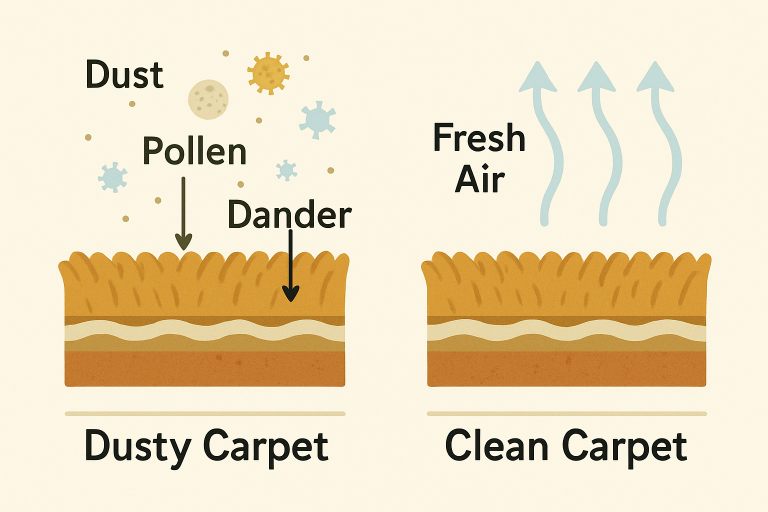
Many people think of carpets as purely decorative, but they actually play an important role in maintaining the health of your indoor environment. Carpet fibers act like air filters, trapping particles like dust, pollen, dirt, and pet dander that would otherwise circulate throughout your living space. When regular carpet cleaning is neglected, these trapped particles accumulate and can degrade the air you breathe, potentially affecting your well-being and home comfort.
Keeping your carpets clean does more than enhance the appearance of your rooms. Over time, carpets accumulate pollutants, including dust mites and volatile organic compounds. If not cleaned regularly, these pollutants can be reemitted into the air as people walk across the carpet or as air flows through the room, posing a risk to health. By making carpet cleaning a consistent routine, families can support a fresher and healthier home environment and reduce their exposure to airborne irritants.
Many homeowners do not realize just how significantly clean carpets can affect the quality of life. In homes with pets and children, for instance, carpets quickly become reservoirs for hair, skin cells, and potentially harmful substances. According to the Environmental Protection Agency, keeping carpets clean can also reduce respiratory issues and allergy symptoms among building occupants. Those looking for the most thorough results often turn to professional carpet cleaning companies that use specialized equipment and methods for deep cleaning.
Carpets and Indoor Air Quality
Carpets cover a significant portion of floor space in many homes, so their condition greatly affects indoor air quality. Carpets act as large filters, capturing everything from dust and pollen to bacteria and pet dander. While this can help limit the spread of airborne particles, a dirty carpet becomes less effective at trapping contaminants and more likely to release them. Without routine cleaning, every step taken across the carpet may disperse these trapped pollutants back into the air, creating an ongoing cycle of contamination.
Common Pollutants Found in Carpets
Several types of pollutants can become embedded in carpet fibers, including:
- Dust Mites: Tiny organisms that thrive in warm, humid environments, feeding on dead skin cells and often triggering allergic reactions.
- Mold and Mildew: Fungi that flourish in moist carpets, producing spores that can be hazardous when inhaled.
- Pet Dander: Microscopic flecks of skin shed by animals that can contribute to allergies or asthma.
- Volatile Organic Compounds (VOCs): Chemicals released as gases from some carpet materials and adhesives, which can affect air quality and human health.
Health Risks Associated with Dirty Carpets
If pollutants accumulate in carpets, they can cause or worsen health issues, especially for people with allergies, asthma, or other respiratory conditions. Symptoms may include coughing, sneezing, eye irritation, and, in more severe cases, asthma attacks. Older carpets or those that are not cleaned regularly may also harbor bacteria or mold, increasing the risk of infection. According to the New York Times, consistent cleaning is key to reducing these risks and maintaining a healthier home environment.
Benefits of Regular Carpet Cleaning
Establishing a regular carpet cleaning routine can offer several important benefits:
- Air Quality Improvement: Clean carpets trap fewer pollutants, improving air quality.
- Reduction in Allergens: Removing dust, dander, and other potential allergens helps reduce allergy symptoms and improve respiratory health.
- Increased Carpet Longevity: Regular cleaning prevents particles from cutting and wearing down carpet fibers, thereby extending the life of your flooring.
- Odor Control: Deep cleaning eliminates pet odors, spills, and everyday wear.
Effective Carpet Cleaning Methods
To maintain optimal air quality, homeowners should implement several carpet cleaning strategies:
- Frequent Vacuuming: Use a vacuum with a HEPA filter to regularly remove dust and dander from surfaces.
- Steam Cleaning: Hot water extraction cleans deeper layers of the carpet, removing more ingrained pollutants and bacteria.
- Dry Carpet Cleaning: Utilizes low-moisture compounds to clean and absorb contaminants, reducing drying time and minimizing the risk of mold.
Choosing the Right Carpet Material
The material choice can influence both the healthfulness and longevity of your carpet. Wool, for example, not only feels softer underfoot but also has a natural ability to absorb and neutralize many indoor pollutants. Studies have shown that wool fibers can effectively reduce indoor concentrations of substances such as formaldehyde and nitrogen dioxide, resulting in a safer environment for everyone. Synthetic carpets, in contrast, might emit more VOCs, affecting sensitive individuals.
Additional Tips for Maintaining Clean Carpets
- Clean Spills Right Away: Promptly clean spills to prevent staining and mold growth.
- Doormats at Entrances: Capturing dirt and debris at the door reduces what is tracked onto your carpets.
- Establish a No-Shoes Policy: Limiting footwear use inside keeps carpets cleaner longer.
- Keep Humidity in Check: Maintain indoor humidity below 50% to inhibit mold growth.
Conclusion
Clean carpets are an important contributor to a healthy home. They do more than define the look of your living spaces; they help ensure the air you breathe is healthier and less polluted by irritants and allergens. By prioritizing proper carpet care, choosing materials wisely, and sticking to a thorough cleaning routine, you can make your home a safer, more comfortable space for everyone. Taking these steps not only protects your health but also extends the life of your carpet, making regular maintenance an investment in both wellness and your home’s long-term value.


This is a very good explanation