

Table of Contents
- Regular Maintenance
- Smart Thermostats
- Optimal Temperature Settings
- Ceiling Fans
- Sealing and Insulation
- Energy-Efficient Windows
- Passive Cooling Strategies
- Conclusion
When temperatures climb, many homeowners seek efficient ways to stay comfortable without causing their utility bills to soar. Fortunately, practical choices and timely actions can help you get the most from your air conditioning while saving money throughout the hot season.
With a little preparation, you can maintain a cool indoor environment and reduce your environmental footprint.
It can be tempting to rely solely on your air conditioner to battle the heat, but fostering an energy-conscious approach benefits both your budget and the lifespan of your cooling system.
By combining smart technology, proper maintenance, and thoughtful home improvements, you will notice a substantial difference in your comfort and energy use.
These efforts not only enhance your quality of life in the summer but also set a strong foundation for year-round energy efficiency. Exploring options for better insulation, window treatments, and supplemental strategies can extend the benefits beyond cooling and assist with heating needs during cooler months.
Employing these comprehensive solutions protects your investment in home comfort and supports long-term energy savings throughout every corner of your living space. Let us look at how a few smart updates can help you thrive during peak heat without overburdening your wallet.
Regular Maintenance
Consistent maintenance is vital for any air conditioning system aiming for maximum performance and efficiency. Dust, pollen, and dander build up in filters, which can restrict airflow and force your unit to work much harder.
Cleaning or replacing air filters every one to two months during peak use will not only keep your indoor air cleaner but also reduce wear and tear on the equipment.
In addition to DIY filter changes, annual visits from qualified professionals for system inspections and tune-ups are well worth the investment. These experts can catch refrigerant leaks, worn belts, or electrical issues before they become costly complications that affect your comfort during critical times. A
ccording to the U.S. Department of Energy, regular HVAC maintenance can improve efficiency by up to 15%.
Smart Thermostats
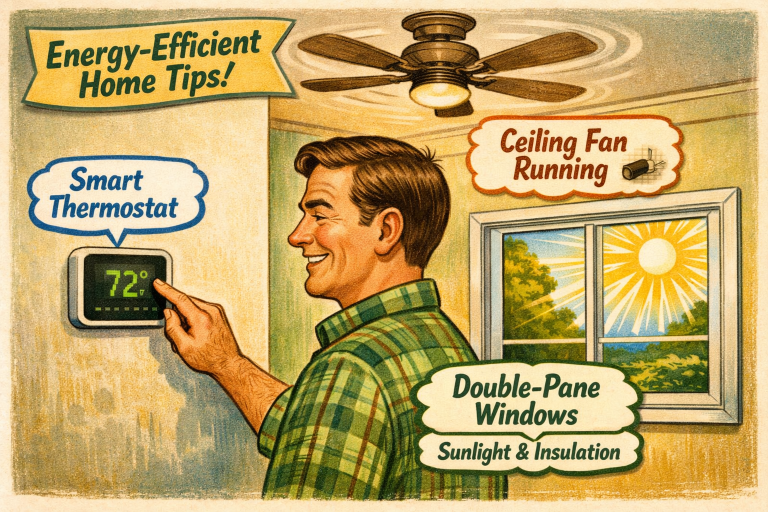
Installing a smart thermostat brings convenience and control to home cooling. These modern devices let you program temperature settings based on your daily schedule or remotely adjust them via a smartphone app.
Most leading models can even learn your routines and automatically adjust settings, cutting energy use when the house is empty or when you are sleeping.
This responsive technology translates into lower bills and fewer unnecessary cooling cycles, as detailed in many studies, including those by Consumer Reports.
Optimal Temperature Settings
Choosing the best temperature for comfort and efficiency is a simple, impactful step. Most experts recommend keeping your thermostat set to around 21°C to 23°C when you are home.
When everyone is away during the day, raising the setting by two to four degrees will help your system rest without letting your home overheat.
At night, setting the thermostat slightly higher works well if ceiling fans are used to keep bedrooms comfortable. These adjustments add up to meaningful cost savings over the course of a summer.
Ceiling Fans
Ceiling fans are one of the most cost-effective ways to complement your air conditioning. By circulating air, fans create a gentle breeze that makes you feel several degrees cooler, allowing you to increase your thermostat setting without sacrificing comfort.
When fans rotate counterclockwise, they push cool air downward, making spaces feel cooler. Remember that fans cool people, not rooms, so turn them off in unoccupied areas to maximize energy efficiency.
Sealing and Insulation
Drafts around doors, windows, and attic spaces let precious cold air leak outside. Weatherstripping, caulking, and adding insulation in these key areas keep cooled air inside, helping your AC run less frequently and more efficiently.
The U.S. Department of Energy recommends boosting insulation and sealing leaks throughout your home as one of the best long-term strategies to reduce both cooling and heating expenses.
Energy-Efficient Windows
Standard windows can account for up to 30% of a home’s energy loss. Investing in double- or triple-pane windows with low-emissivity (Low-E) coatings can dramatically reduce heat gain, especially in sun-exposed rooms.
These advanced windows block a significant portion of infrared rays while still allowing plenty of natural light inside. This reduces the need for constant air conditioning and provides extra insulation during winter as well.
Passive Cooling Strategies
Passive cooling techniques harness nature to help reduce your reliance on mechanical air conditioning. Start by keeping blinds or blackout curtains closed during peak sunlight hours, particularly on south and west-facing windows.
Installing reflective films or shades helps deflect solar heat before it can warm up your home.
Outdoors, planting fast-growing shade trees or tall shrubs around patios and windows can naturally cool exterior surfaces.
Lastly, try to limit oven and stovetop use during the hottest parts of the day to keep indoor temperatures from rising.
Conclusion
Managing your home’s climate does not have to mean high costs or significant environmental impacts. Routine maintenance, adopting smart technology, improving your home’s envelope, and embracing passive cooling can profoundly cut energy use and costs.
These strategies not only boost comfort during the hottest months but also lay the foundation for smart energy use year-round.


