

Key Takeaways
- Early detection of plumbing problems can save time and money.
- Regular maintenance and inspections are essential.
- Understanding common warning signs helps in prompt action.
Table of Contents
- Unusual Sounds in Pipes
- Slow Draining Fixtures
- Fluctuating Water Pressure
- Discolored Water
- Persistent Dripping
- Damp Spots and Water Stains
- Unexplained Increases in Water Bills
- Preventive Measures
- Conclusion
Maintaining a healthy plumbing system is important for any homeowner. Acting fast when you notice potential issues can save money and prevent serious property damage. Identifying plumbing concerns early means fewer headaches and faster solutions.
If you are looking for expert guidance, a Plumber can help you troubleshoot and repair persistent problems in your home.
Many homes experience plumbing issues at some point, but not every sign is obvious. By learning what to look for, you can catch problems before they turn into full-blown emergencies. This guide walks you through warning signs, what they mean, and how to act before minor annoyances become expensive repairs. Routine monitoring of pipes, fixtures, and bills can greatly improve your chances of preventing damage. Even subtle indicators might have a major impact down the road.
A proactive mindset, regular checkups, and timely repairs go a long way in protecting your property. Whether you own an older house or a recently built home, investing time now saves both money and stress later. Suppose you are unsure about the source of a recurring problem or need urgent assistance.
Working with a qualified local plumber ensures your system receives the attention and care it needs, reducing the risk that small problems will become disruptive.
Unusual Sounds in Pipes
Banging, gurgling, or whistling noises from pipes can often indicate underlying plumbing issues. If you hear these strange sounds when turning on faucets or after flushing, it could suggest blockages, trapped air, or pressure changes within the system.
Gurgling sounds, especially from your drains, frequently mean a clog is forming and needs attention soon. Early intervention is wise, as ignoring these noises can allow the problem to worsen over time.
Slow Draining Fixtures
Are your sinks, tubs, or showers taking longer to clear water? This slow drainage is often caused by a partial clog somewhere in the pipe. If multiple fixtures are slow all at once, it could be a sign of a more significant blockage in the main sewer line. These problems require immediate attention to avoid backups and potential water damage. Such issues often benefit from a professional inspection and cleaning to restore proper flow.
Fluctuating Water Pressure
Consistent water pressure is vital for daily comfort and appliance function. Sudden changes, such as weak flow from a shower or inconsistent pressure at your kitchen sink, may be caused by hidden leaks, corroded pipes, or sediment buildup.
If you notice an unexplained drop or spike in water pressure, prompt investigation is important. Sometimes a ruptured pipe or malfunctioning pressure regulator is the culprit. Learning about pressure issues can help you recognize when to call for help, and this Consumer Reports guide covers additional signs to watch for.
It’s also worth ruling out hard water as an issue with plumbing in your home. Over time, calcium and magnesium deposits can build up on the inside of pipes and in some of the working machinery in the rest of your plumbing apparatus. These chalky deposits can accumulate around taps, impacting flow.
We suggest dealing with this with water softener installation. These products are good at removing some of the hard minerals from hard water areas, keeping your pipes, faucets, and appliances relatively scale-free.
Discolored Water
If you turn on a tap and see brown, yellow, or green-tinged water, it usually indicates corrosion or sediment inside your pipes. Rusty water indicates aging galvanized or steel pipes, while blue or green stains suggest corrosion in copper pipes.
Discoloration can also be related to water heater problems, especially if it only affects hot water. It is essential to investigate water color changes quickly, since they can signal unsafe drinking conditions or accelerated pipe deterioration.
Persistent Dripping
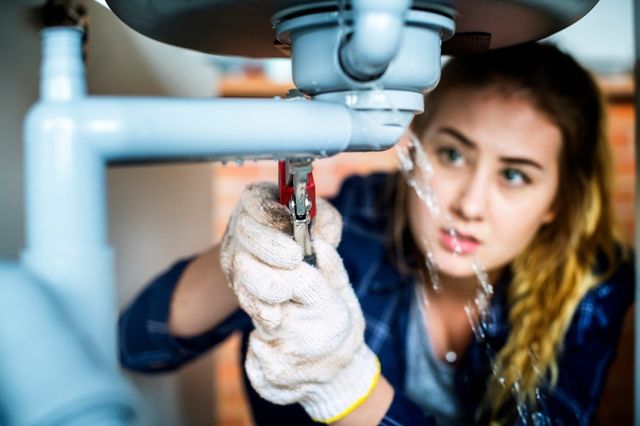
That steady drip from a faucet or toilet may seem minor, but over time, it wastes a significant amount of water and money. Most dripping is caused by worn washers, loose parts, or broken seals that need to be replaced. Even a slow leak in a quiet part of the house can increase your water bill and lead to more expensive repairs if mold or water stains form. Resolving these issues improves both efficiency and peace of mind.
Damp Spots and Water Stains
Dark patches, bubbling paint, or warped flooring around sinks and walls are tell-tale signs of hidden leaks.
These indicators show water is escaping the pipes and soaking into building materials. Left unchecked, leaks can lead to mold growth, structural damage, and costly repairs.
If you spot an unexplained wet area or discoloration, it is critical to address the issue promptly.
Unexplained Increases in Water Bills
A sudden spike in your water usage may signal a problem with your plumbing system. If your bill rises without an obvious reason, consider concealed leaks, a running tap or toilet, or faulty irrigation systems.
These seemingly small problems can add up quickly, resulting in wasted resources and higher costs until they are resolved.
- A hidden leak in a pipe or fixture can persist undetected for months.
- A constantly running toilet can silently waste dozens of gallons daily.
- Dripping faucets may use more water than you realize over time.
Scheduling a water usage analysis or leak detection inspection is a smart step if you cannot account for increased water bills on your own.
Preventive Measures
Developing healthy plumbing habits prevents the majority of emergencies. Here are a few practical steps for homeowners:
- Set up yearly inspections by a licensed plumbing professional.
- Insulate both interior and exterior pipes during colder weather.
- Install high-quality drain guards to limit debris accumulation.
- Avoid flushing or pouring grease, oils, and non-biodegradable items down drains.
By recognizing warning signs and maintaining your plumbing system, you can protect it for years to come. Acting quickly when problems arise, along with annual checkups, will keep your home safe and help avoid unexpected emergencies.
Conclusion
Staying proactive with your home’s plumbing system is essential for preventing costly damage and maintaining long-term efficiency. By recognizing early warning signs such as unusual pipe noises, slow drainage, fluctuating water pressure, discolored water, persistent leaks, damp spots, and unexpected increases in water bills, homeowners can address issues before they escalate into major repairs.
Regular maintenance, routine inspections, and responsible usage habits all play a key role in keeping your plumbing system in good condition.
Preventive measures like insulating pipes, installing drain guards, and avoiding improper waste disposal further reduce the risk of emergencies. When problems arise, seeking timely help from a qualified plumbing professional ensures accurate diagnosis and effective repairs.
With consistent care and attention, you can protect your home from water damage, reduce unnecessary expenses, and maintain a safe, reliable plumbing system for years to come.


